
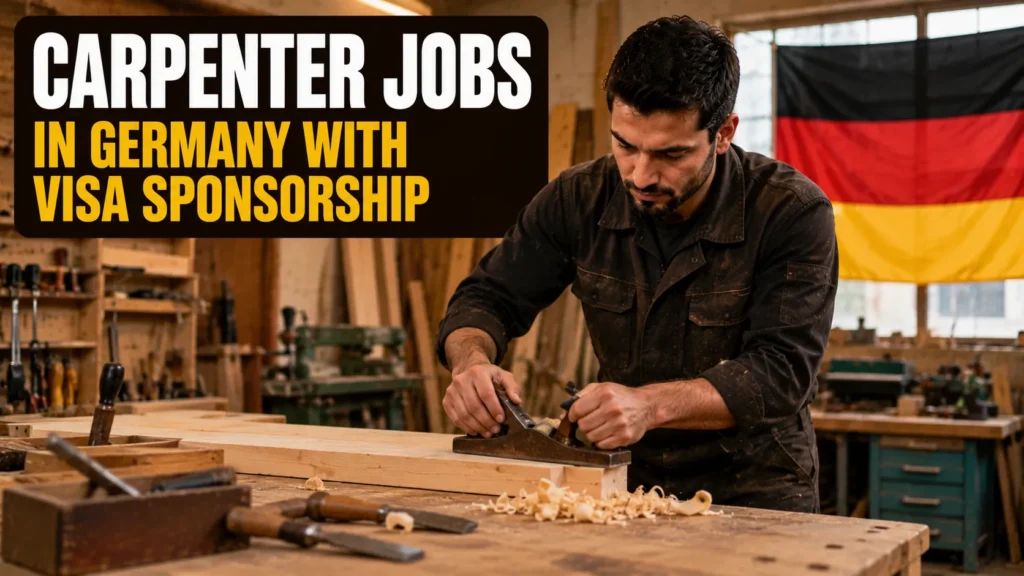
Germany remains one of Europe’s strongest economies, with a thriving construction and manufacturing sector that continues to create high demand for skilled tradespeople. Among the most sought-after professionals are carpenters, who play a vital role in residential, commercial, and industrial construction projects. Due to an ongoing shortage of skilled workers, many German employers are hiring qualified international carpenters and offering visa sponsorship to fill vacant positions.
Carpenter Jobs in Germany with Visa Sponsorship 2026 provide excellent opportunities for skilled workers looking to build a successful career abroad. These positions often come with competitive salaries, stable employment, health insurance, paid holidays, and opportunities for career growth. Whether you specialize in furniture making, roofing, framing, or interior finishing, Germany offers a wide range of employment opportunities for experienced carpenters.
Job Overview
Carpenters in Germany work on a variety of construction and renovation projects, building, repairing, and installing wooden structures and fixtures according to technical plans and safety standards.
- Job Title: Carpenter
- Country: Germany
- Job Type: Full-Time
- Experience Required: 1–5 years
- Education: Vocational training or trade certification preferred
- Visa Sponsorship: Available with selected employers
- Salary: €2,600–€4,200 per month
- Work Locations: Berlin, Munich, Hamburg, Frankfurt, Cologne, Stuttgart, Leipzig, Düsseldorf, Bremen, and other German cities
Experienced carpenters with advanced skills and certifications can earn higher salaries, especially in specialized construction and woodworking industries.
Why Germany Needs Skilled Carpenters
Germany continues to invest heavily in housing, commercial buildings, infrastructure, and renovation projects. At the same time, many experienced tradespeople are retiring, creating a shortage of qualified workers across the construction sector.
Some of the main reasons for the high demand include:
- Expansion of residential construction projects
- Growth in commercial and industrial developments
- Government investment in infrastructure
- Increasing renovation and restoration work
- Skilled labor shortages across the construction industry
- Retirement of experienced craftsmen
- Rising demand for sustainable wooden buildings
Also Check: Care Home Assistant Jobs in Germany with Visa Sponsorship 2026
Types of Carpenter Jobs
Carpenters in Germany can work in various specialized roles depending on their skills and experience.
Construction Carpenter
Builds wooden frameworks, floors, roofs, walls, and structural components for residential and commercial buildings.
Finish Carpenter
Installs doors, windows, cabinets, moldings, staircases, and other interior wooden fixtures.
Furniture Carpenter
Designs and manufactures custom furniture for homes, offices, hotels, and retail spaces.
Formwork Carpenter
Constructs temporary wooden molds used for pouring concrete in construction projects.
Roofing Carpenter
Builds and repairs wooden roof structures and installs roofing components.
Cabinet Maker
Creates custom kitchen cabinets, wardrobes, shelving units, and other wooden storage solutions.
Restoration Carpenter
Repairs and restores historic wooden buildings, furniture, and architectural features.
Job Responsibilities
The daily duties of a carpenter depend on the type of project and employer.
Typical responsibilities include:
- Reading blueprints and technical drawings
- Measuring and cutting wood accurately
- Installing wooden structures and fixtures
- Building frameworks for buildings
- Repairing damaged wooden components
- Operating woodworking machinery and power tools
- Installing doors, windows, flooring, and cabinets
- Assembling furniture and custom wood products
- Inspecting completed work for quality
- Following workplace safety regulations
- Maintaining tools and equipment
- Collaborating with construction teams and supervisors
Strong attention to detail and craftsmanship are essential for success in this profession.
Salary and Employee Benefits
Carpenters in Germany receive competitive salaries along with a range of employment benefits.
Common benefits include:
- Monthly salary between €2,600 and €4,200
- Visa sponsorship by eligible employers
- Paid annual vacation
- Health insurance coverage
- Pension contributions
- Overtime pay
- Paid public holidays
- Training and professional development opportunities
- Modern working equipment
- Long-term employment contracts
- Career advancement opportunities
Highly skilled carpenters with specialized expertise may also receive performance bonuses and higher wages.
Visa Sponsorship Process
Many German construction companies sponsor qualified foreign workers under Germany’s skilled worker immigration programs.
Step 1: Search for Sponsored Jobs
Look for carpenter vacancies that specifically mention visa sponsorship or international recruitment.
Step 2: Prepare Your CV
Create a professional CV highlighting your carpentry experience, technical skills, certifications, and completed projects.
Step 3: Apply for Jobs
Submit applications through company websites, recruitment agencies, and trusted job portals.
Step 4: Attend Interviews
Employers may conduct online interviews and ask technical questions about carpentry techniques and previous work experience.
Step 5: Receive a Job Offer
Successful candidates receive an official employment contract outlining salary, working hours, and benefits.
Step 6: Apply for a Work Visa
Use your employment contract and other required documents to apply for the appropriate German work visa.
Step 7: Relocate to Germany
Once your visa is approved, you can travel to Germany and begin working for your sponsoring employer.
Requirements
Although hiring requirements vary, most employers expect applicants to have:
- A valid passport
- Previous carpentry experience
- Vocational training or trade certification (preferred)
- Ability to read construction drawings
- Knowledge of woodworking tools and machinery
- Strong problem-solving skills
- Physical fitness for manual labor
- Good teamwork and communication skills
- Basic English or German language skills (German is an advantage)
- Commitment to workplace safety and quality standards
Some employers may also provide language support or training for international workers.
Working Environment
Carpenters in Germany work in a variety of settings depending on their specialization.
Common workplaces include:
- Residential construction sites
- Commercial buildings
- Furniture manufacturing companies
- Renovation projects
- Woodworking workshops
- Industrial facilities
The job may involve:
- Standing for long periods
- Lifting heavy materials
- Working indoors and outdoors
- Using power tools and heavy equipment
- Climbing ladders and scaffolding
- Following strict health and safety regulations
Protective clothing and safety equipment are required on most job sites.
Advantages of Working as a Carpenter in Germany
Working in Germany offers numerous professional and personal benefits.
Some key advantages include:
- Visa sponsorship opportunities
- Competitive monthly salaries
- High demand for skilled carpenters
- Stable, full-time employment
- Paid holidays and vacation leave
- Comprehensive health insurance
- Pension and social security benefits
- Safe and modern workplaces
- Opportunities to learn advanced woodworking techniques
- Career progression into supervisory or project management roles
- Potential pathway to long-term residence, depending on eligibility and German immigration regulations
Germany’s strong economy makes it an attractive destination for skilled tradespeople seeking long-term employment.
Challenges of the Job
Carpentry is a rewarding career, but it also comes with certain challenges.
Common challenges include:
- Physically demanding work
- Working in different weather conditions
- Lifting heavy construction materials
- Tight project deadlines
- Strict quality standards
- Long hours during busy construction periods
- Learning German workplace practices and terminology
Developing technical expertise and maintaining high safety standards can help carpenters build a successful career in Germany.
How to Apply?
If you are interested in Carpenter Jobs in Germany with Visa Sponsorship 2026, follow these steps:
- Prepare an updated CV highlighting your work experience, certifications, and carpentry skills.
- Search for job openings on trusted German job portals, company websites, and licensed recruitment agencies.
- Apply for positions that offer visa sponsorship.
- Attend interviews and complete any required trade assessments.
- Accept an employment offer from an eligible German employer.
- Apply for the appropriate work visa using your employment contract and supporting documents.
- Travel to Germany after your visa is approved and begin your new role.
- Click Apply Now to get started
Final Thoughts
Carpenter Jobs in Germany with Visa Sponsorship 2026 offer excellent opportunities for skilled professionals looking to work in one of Europe’s leading economies. With ongoing demand in construction, renovation, and woodworking industries, international carpenters can benefit from competitive salaries, visa sponsorship, comprehensive employee benefits, and long-term career stability. If you have experience in carpentry, strong technical skills, and a commitment to quality workmanship, Germany provides an excellent destination to grow your career while enjoying a high standard of living and valuable international work experience.