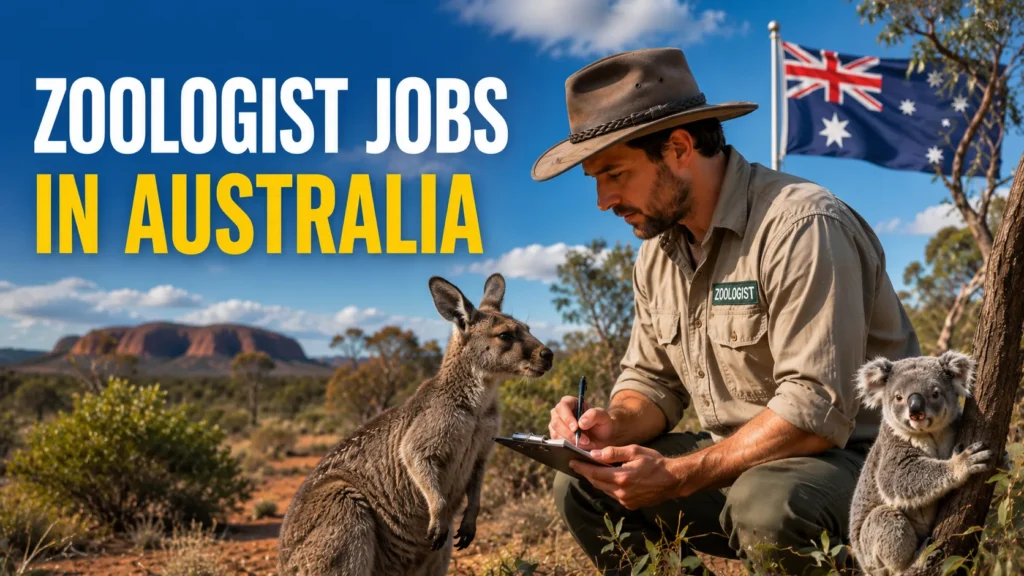
Zoologist jobs in Australia for foreigners are gaining attention in 2026 as the country continues to invest in wildlife conservation, environmental protection, and scientific research. Australia is home to some of the most unique ecosystems in the world, from the Great Barrier Reef to vast deserts and rainforests. This biodiversity creates strong demand for professionals who can study, protect, and manage animal species and their habitats.
For foreign candidates with a background in zoology or related fields, Australia offers promising career opportunities. While these roles are more specialized compared to entry-level jobs, they provide meaningful work, competitive salaries, and the chance to contribute to global conservation efforts.
Job Overview
Zoologists in Australia work in research, conservation, education, and wildlife management roles.
- Job Title: Zoologist / Wildlife Biologist / Conservation Scientist
- Country: Australia
- Job Type: Full-time / Contract / Research-based
- Experience Required: Bachelor’s degree minimum (Master’s or PhD preferred)
- Education Requirement: Degree in Zoology, Biology, Ecology, or related field
- Visa Type: Skilled Work Visa (e.g., Temporary Skill Shortage visa or Skilled Independent visa)
- Work Environment: National parks, research labs, universities, conservation organizations
- Salary Range: AUD 65,000 – AUD 110,000 per year
Some roles may also include fieldwork in remote locations or laboratory-based research.
Why Zoologist Jobs Are in Demand in Australia
Australia places a strong emphasis on environmental conservation due to its rich biodiversity and ongoing ecological challenges. Several factors are driving demand for zoologists:
- Protection of endangered species
- Climate change and habitat loss research
- Wildlife conservation programs
- Government-funded environmental projects
- Growth in eco-tourism and wildlife parks
Also Check: Delivery Driver Jobs in Australia with Visa Sponsorship 2026
Major Employers and Hiring Sectors
Zoologists in Australia can find opportunities across various sectors:
- Government environmental agencies
- Universities and research institutions
- Wildlife conservation organizations
- Zoos and aquariums
- Environmental consulting firms
- National parks and reserves
Well-known organizations such as CSIRO and WWF Australia often employ zoologists for research and conservation projects.
Types of Zoologist Jobs Available
Zoology offers diverse career paths depending on specialization.
Wildlife Biologist
Studies animal behavior, habitats, and population dynamics in natural environments.
Conservation Scientist
Focuses on protecting endangered species and restoring ecosystems.
Marine Zoologist
Researches marine animals and ecosystems, especially in areas like the Great Barrier Reef.
Zoo Researcher or Curator
Works in zoos managing animal care programs, breeding, and public education.
Environmental Consultant
Advises companies and governments on environmental impact and wildlife protection.
Each role contributes to understanding and preserving biodiversity.
Job Responsibilities
Zoologists perform a variety of scientific and field-based tasks:
- Conducting field research and collecting data
- Observing animal behavior in natural or controlled environments
- Analyzing data and preparing research reports
- Developing conservation strategies
- Monitoring endangered species
- Collaborating with environmental organizations
- Educating the public on wildlife conservation
- Ensuring compliance with environmental laws
The work often combines outdoor fieldwork with office or laboratory analysis.
Salary Expectations
Salaries for zoologists in Australia vary based on experience, qualifications, and employer.
- Entry-level zoologists: AUD 65,000 – AUD 75,000 per year
- Mid-level professionals: AUD 75,000 – AUD 90,000 per year
- Senior or specialized roles: AUD 90,000 – AUD 110,000+ per year
Additional benefits may include:
- Research funding and grants
- Travel allowances for fieldwork
- Health and insurance benefits
- Paid leave and professional development opportunities
Experienced professionals working in research or consulting may earn higher salaries.
Visa Options for Foreign Zoologists
Foreigners must obtain a valid work visa to work in Australia.
Temporary Skill Shortage (TSS) Visa
Allows employers to sponsor skilled workers when local talent is unavailable.
Skilled Independent Visa (Subclass 189)
For qualified professionals who meet Australia’s points-based immigration system.
Skilled Nominated Visa (Subclass 190)
Requires nomination by an Australian state or territory.
Candidates usually need their qualifications assessed and must meet English language requirements.
Requirements for Zoologist Jobs
To work as a zoologist in Australia, candidates typically need:
- A degree in zoology, biology, ecology, or a related field
- Research or fieldwork experience
- Knowledge of animal behavior and ecosystems
- Strong analytical and data interpretation skills
- Good communication and report-writing skills
- English language proficiency (IELTS or equivalent)
- Willingness to work in outdoor or remote environments
- Valid passport and eligibility for a work visa
Higher qualifications such as a Master’s or PhD can significantly improve job prospects.
Work Conditions in Australia
Zoologists often work in varied and sometimes challenging environments:
- Fieldwork in remote or natural habitats
- Laboratory and office-based research
- Travel within Australia for research projects
- Flexible or project-based schedules
- Exposure to different weather conditions
The job can be physically demanding but also highly rewarding.
Benefits of Zoologist Jobs
Working as a zoologist in Australia offers several advantages:
- Opportunity to work with unique wildlife species
- Competitive salaries and career growth
- Access to world-class research facilities
- Contribution to global conservation efforts
- Professional networking and development
- High quality of life in Australia
For many professionals, the chance to work in such a biodiverse country is a major attraction.
Challenges of the Job
Zoologist roles also come with certain challenges:
- Competitive job market
- High qualification requirements
- Remote and physically demanding fieldwork
- Funding limitations in research roles
- Long project timelines
Despite these challenges, the career is fulfilling for those passionate about wildlife and science.
How to Apply?
Applying for zoologist jobs in Australia requires preparation and planning:
- Search for job openings on research and government job portals
- Prepare a strong CV highlighting academic and research experience
- Apply for relevant positions
- Attend interviews (often online for international candidates)
- Secure a job offer
- Begin the visa application process
- Complete documentation and relocation steps
- Click Apply now to get started
Networking with professionals and joining research communities can also improve job chances.
Career Growth Opportunities
Zoologists in Australia can progress into advanced roles such as:
- Senior Research Scientist
- Conservation Program Manager
- University Lecturer or Professor
- Environmental Policy Advisor
- Wildlife Project Director
With experience, professionals can also work internationally or lead major conservation initiatives.
Final Thoughts
Zoologist jobs in Australia for foreigners in 2026 offer a unique and meaningful career path for individuals passionate about wildlife and environmental science. While these roles require strong academic qualifications and dedication, they provide the opportunity to make a real impact on conservation and biodiversity.
For those willing to invest in their education and gain relevant experience, Australia stands out as one of the best destinations to build a rewarding career in zoology and environmental research.